Coalition Pushes Senate to Restrict Sports and Gaming Contracts in Crypto Legislation

In June 2026 a coalition that includes gaming operators, tribal nations, labor organizations and additional stakeholders delivered a formal letter to U.S. senators requesting specific amendments to pending cryptocurrency legislation; the proposed language would bar event contracts connected to sports outcomes and casino-style gaming from operating on prediction market platforms. The request arrives while state regulators increase examinations of services such as Polymarket and Kalshi, which traditional gambling interests regard as direct competitors in an expanding market for event-based wagers.
Details of the Coalition Letter
The document asks lawmakers to insert explicit prohibitions into the crypto bill so that contracts tied to athletic competitions or games of chance cannot be offered through decentralized or centralized prediction exchanges. Coalition members argue that these contracts replicate traditional betting products yet function outside established state licensing frameworks that govern casinos and sportsbooks across the country. Observers note that the timing coincides with several state-level enforcement actions already underway against platforms that list similar instruments.
Context Around Polymarket and Kalshi
Polymarket and Kalshi have expanded their offerings to include contracts on election results, sports scores and entertainment events, drawing users who seek alternatives to conventional wagering channels. State attorneys general and gaming commissions have begun reviewing whether these contracts constitute unlicensed gambling, leading some jurisdictions to issue warnings or initiate legal proceedings. Traditional stakeholders maintain that the absence of federal clarity allows these platforms to operate in a regulatory gap that disadvantages licensed operators who must comply with taxes, age restrictions and consumer protections.
Broader Regulatory Environment in Mid-2026
Federal cryptocurrency legislation under consideration in the Senate addresses stablecoins, exchange oversight and market transparency, yet it contains no direct references to event contracts as of the coalition's submission. Adding the requested language would mark the first explicit federal stance on prediction market contracts linked to sports and gaming. Industry analysts point out that similar measures have surfaced in separate bills focused on sports betting, but those proposals have not advanced to a vote in either chamber during the current session.
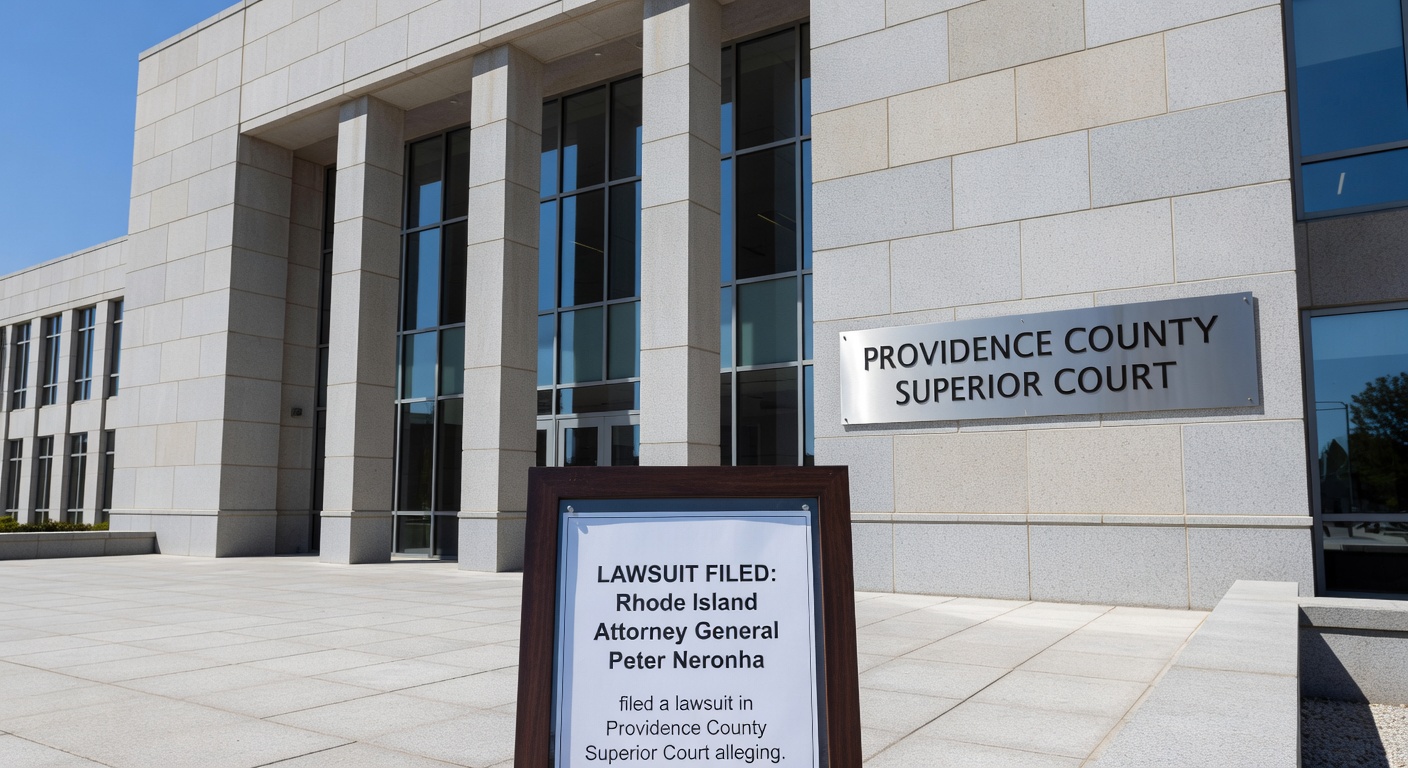
State actions provide additional pressure. Several attorneys general have filed complaints asserting that certain contracts on these platforms meet the legal definition of sports betting or casino games under existing statutes. In response, the platforms have argued that their products fall under commodity or derivative classifications regulated by the Commodity Futures Trading Commission rather than state gambling authorities. The coalition letter seeks to resolve this jurisdictional overlap by directing Congress to clarify the boundary within the crypto framework.
Stakeholder Positions
Gaming and tribal representatives emphasize revenue impacts on state budgets and tribal enterprises that rely on regulated gaming compacts. Labor groups highlight employment protections tied to licensed facilities. The coalition collectively asserts that uniform federal language would prevent regulatory arbitrage while preserving innovation in non-gaming event contracts such as weather or economic indicators. Data from the American Gaming Association shows commercial gaming revenue reached 20.09 billion dollars in the first quarter of 2026, underscoring the financial stakes involved for established operators.
Potential Legislative Path Forward
Senate staff members have acknowledged receipt of the letter, though no immediate amendment text has been released. The crypto bill remains in committee markup, where members could incorporate the requested prohibitions before floor consideration. Observers expect further correspondence from both supporters and opponents of the measure as the legislative calendar advances through the summer months. Any final language would still require reconciliation with the House version of the bill, where similar debates over event contracts have not yet surfaced.
Conclusion
The coalition's intervention illustrates ongoing friction between emerging prediction market models and legacy gambling frameworks at both federal and state levels. As the Senate continues work on cryptocurrency legislation, the outcome of this specific request will shape whether platforms like Polymarket and Kalshi can continue offering sports and gaming contracts without additional licensing obligations. The developments in June 2026 mark one step in a longer process of defining regulatory boundaries for event contracts in the United States.