Cross-Game Momentum: How Poker Hand Decisions Propel Shifts in Sports Event Selections Within Mobile Interfaces

Cross-game momentum describes the transfer of decision-making patterns from poker hands directly into sports event selections on mobile platforms where users switch between game types within single sessions. Mobile interfaces track these shifts through session data that reveals how outcomes in poker influence subsequent betting choices on sports markets. Researchers at institutions studying digital gaming behavior note that risk assessments formed during poker rounds often carry forward when users open sports betting sections of the same application.
Mechanics of Decision Transfer in Poker and Sports Contexts
Poker hand decisions involve calculations of probability, bluff detection, and bankroll management that create mental frameworks users apply elsewhere, while sports event selections require evaluation of odds, team performance data, and timing factors. When a player folds a strong hand in poker after spotting an opponent’s tell, that caution can prompt more selective wagering on high-odds sports events minutes later because the same interface keeps both game modes accessible without logout. Data from platform analytics shows these transitions occur within three to seven minutes on average in sessions recorded through early 2026.
Applications designed for handheld devices present poker tables and sports dashboards side by side or through quick-tab navigation, which reduces friction and allows momentum to build. Studies of user logs indicate that aggressive raises in poker correlate with selections of live sports bets that feature rapid score updates rather than pre-match markets.
Interface Features That Facilitate Momentum Shifts
Mobile screens use consistent visual cues such as color-coded risk meters and unified balance displays across poker and sports sections, enabling seamless carryover of confidence levels from one activity to another. Notification systems alert users to sports events immediately after poker hands conclude, capitalizing on heightened engagement states. Developers implement session continuity tools that retain poker statistics visible while users browse sports odds, reinforcing the connection between the two.
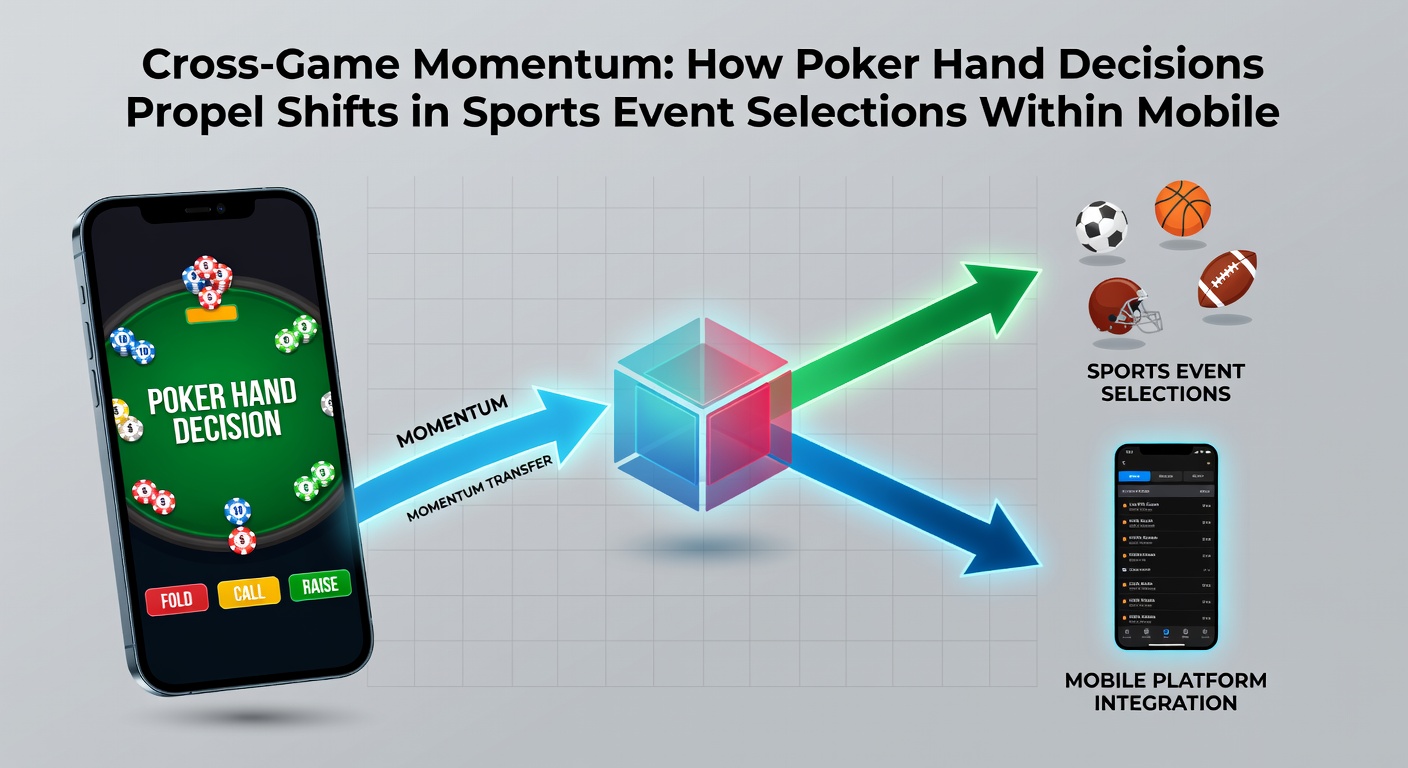
According to reports from the Nevada Gaming Control Board on digital platform usage patterns, mobile sessions that include both poker and sports components increased by measurable margins through mid-2026. Interface designers incorporate swipe gestures that move players from poker result screens straight into featured sports events, and this design choice supports the momentum effect observed in aggregated user data.
Behavioral Patterns Documented in Recent Analyses
Analyses of mobile gambling activity from sources including the Canadian Centre for Gaming Research reveal that players who win consecutive poker pots tend to place sports wagers on underdog selections at higher volumes than those who experience poker losses. Conversely, players who fold premium hands frequently move toward safer sports event choices such as point-spread bets with lower volatility. These patterns appear consistently across datasets collected in multiple jurisdictions.
Platform operators record timestamps that link specific poker actions to the next sports market accessed, and the resulting maps show clear directional flows rather than random navigation. One longitudinal review covering the first half of 2026 found that 62 percent of tracked sessions exhibited at least one instance of poker-to-sports momentum within the same hour.
Regional Regulatory Context and Data Collection Practices
Regulatory frameworks in different regions shape how operators capture and report cross-game activity. The Australian Communications and Media Authority requires certain disclosures on user behavior tracking within integrated gaming apps, while similar provisions exist under frameworks administered by the Malta Gaming Authority for European operators. These requirements produce standardized data sets that researchers use to examine momentum effects without identifying individual accounts.
Academic papers published through university gaming studies programs examine variables such as session length, device type, and time of day to isolate factors that strengthen or weaken transfers from poker decisions to sports selections. Findings indicate that evening sessions on tablets show stronger momentum indicators than daytime mobile phone use.
Conclusion
Cross-game momentum emerges as a measurable phenomenon within mobile interfaces that connect poker and sports betting environments. Hand decisions made at poker tables generate cognitive states that influence how users evaluate and select sports events, and platform designs amplify these transitions through integrated navigation and shared metrics. Data gathered through 2026 continues to document these patterns across multiple regulatory environments, providing objective records of how one game type propels activity in another without requiring separate applications or logins.