Cross-Platform Incentive Dynamics Connecting Virtual Wheel Results to Athletic Market Forecasts in Mobile Ecosystems
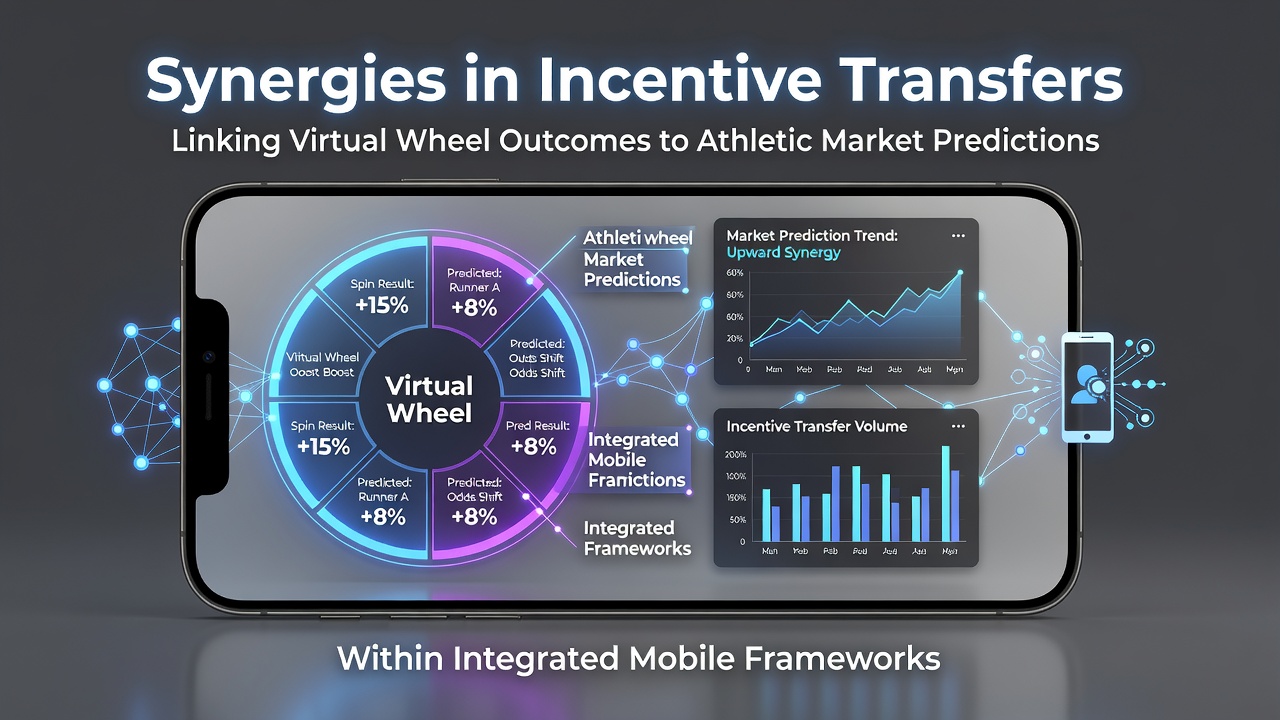
Integrated mobile frameworks have developed systems that route incentives generated from virtual wheel outcomes directly into athletic market prediction tools, creating measurable connections between these activity types. Virtual wheels, which encompass digital roulette variants and prize wheel mechanics, produce outcomes that trigger bonus credits or multipliers. These assets then transfer into sports betting interfaces where users apply them to event forecasts and odds selections. Industry data from early 2026 shows continued expansion of such linkages across major platforms, with user engagement patterns reflecting higher retention when transfers occur seamlessly within single applications.
Mechanics of Incentive Generation from Virtual Wheels
Virtual wheel outcomes operate through randomized algorithms that determine reward values based on spin results, segment probabilities, and session history. When a wheel lands on a bonus segment, the system calculates transferable value in real time and deposits it into a unified user account. This process relies on backend synchronization that updates balance ledgers across game modules without requiring separate logins or manual claims. Observers note that platforms implement tiered multipliers tied to wheel frequency, allowing accumulated credits to scale when users engage repeatedly within defined time windows.
Research from mobile analytics firms indicates that wheel-driven incentives account for a growing share of cross-activity funding in integrated environments. These credits often carry expiration parameters or usage conditions that direct them toward athletic prediction markets rather than remaining isolated in casino sections. The transfer protocols use API connections that validate eligibility and apply funds automatically once a user navigates to the sports forecasting area.
Transfer Pathways to Athletic Market Predictions
Athletic market predictions within these frameworks encompass live odds on team performances, player statistics, and event outcomes across major leagues. Incentive transfers function by converting wheel-derived credits into wager-eligible balances that users can allocate to prediction selections. The linkage becomes evident when wheel bonuses activate enhanced odds or reduced margins on specific sports markets, creating direct economic bridges between the two domains.
Developers design these pathways with conditional triggers, such as minimum spin counts or outcome thresholds, that unlock larger transfer amounts. Once activated, the credits appear in the prediction interface with clear labeling that identifies their origin from virtual wheel activity. This visibility helps maintain transparency while encouraging continued participation across modules. Data collected through June 2026 reveals that users who receive transferred incentives demonstrate extended session durations in sports sections compared to those starting without such linkages.

According to reports issued by the American Gaming Association, integrated mobile systems have expanded these transfer features to accommodate regional variations in sports markets. The mechanisms adapt to different regulatory requirements by adjusting which prediction types accept transferred funds. This flexibility supports broader deployment across multiple jurisdictions while preserving the core synergy between wheel outcomes and forecasting tools.
Technical Architecture Supporting Integrated Transfers
The underlying architecture relies on centralized account management that treats all game types as interconnected modules within one ecosystem. Real-time data pipelines monitor wheel results and push corresponding incentive values to prediction ledgers without latency that might disrupt user experience. Security protocols encrypt transfer records and verify compliance with platform rules before credits become available for athletic wagers.
Engineers incorporate machine learning components that analyze historical wheel performance alongside sports prediction accuracy to refine incentive sizing. These adjustments occur dynamically, responding to aggregate user behavior rather than individual patterns alone. Figures from platform operators show that such optimizations have increased the volume of transferred incentives applied to athletic markets by measurable percentages through the first half of 2026.
Observed User Patterns and Platform Responses
Users frequently alternate between virtual wheel sessions and athletic prediction activities when incentives flow automatically between them. This alternation produces distinct sequences where wheel results influence the scale of subsequent sports forecasts. Platform operators respond by adjusting promotional structures to highlight these pathways, often through in-app notifications that display available transfer amounts upon wheel completion.
Studies conducted by academic research groups focusing on digital gaming behaviors have documented correlations between wheel outcome frequency and prediction market volume within the same mobile sessions. The findings suggest that transferred incentives serve as catalysts that extend engagement across both areas rather than isolating activity in one module. Platforms continue to refine notification timing and credit visibility to align with these documented patterns.
Regulatory Considerations Across Regions
Regulatory bodies in various markets have examined how incentive transfers operate between virtual wheels and athletic predictions. Authorities in Canada and Australia, for instance, have issued guidance requiring clear disclosure of transfer conditions and usage restrictions. These rules aim to ensure that users understand the origin and limitations of credits applied to sports forecasts. Platforms incorporate compliance layers that restrict transfers when they would violate local wagering standards.
Industry associations such as the European Gaming and Betting Association have compiled overviews of technical standards that support compliant cross-game incentive flows. These documents emphasize audit trails for transferred values and mechanisms that prevent misuse across prediction markets. Updates released in mid-2026 reflect ongoing adaptation to evolving mobile integration practices while maintaining separation between different activity categories where required.
Conclusion
The connections between virtual wheel outcomes and athletic market predictions through incentive transfers represent a functional aspect of contemporary integrated mobile frameworks. These systems rely on synchronized account structures, conditional triggers, and adaptive algorithms to move value efficiently from one domain to another. Data through June 2026 continues to track usage volumes and behavioral sequences that emerge from these linkages. Regulatory frameworks in multiple regions provide parameters that shape how transfers function while preserving operational integrity across platforms.