Rhode Island Attorney General Challenges Prediction Platforms Over Event Contracts

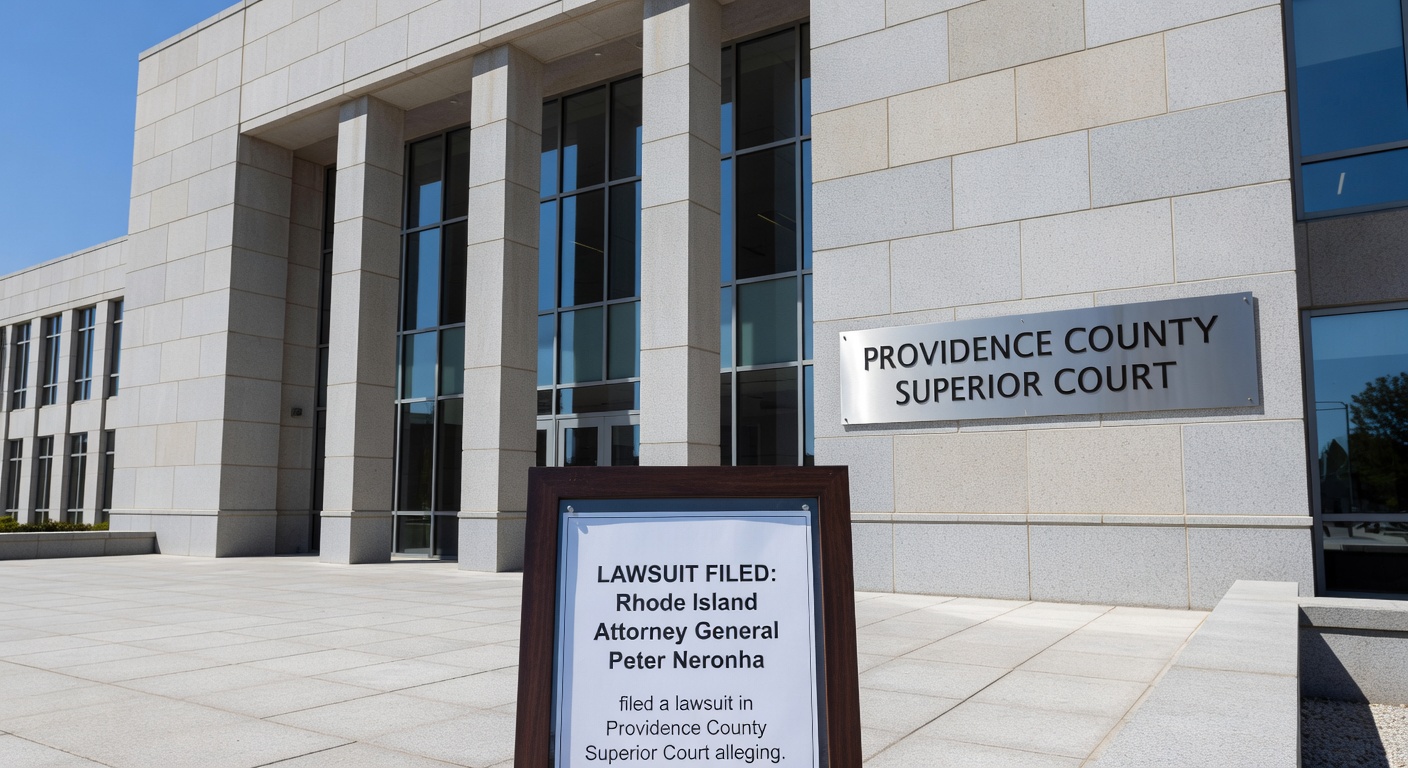
Rhode Island Attorney General Peter Neronha filed a lawsuit in Providence County Superior Court that targets prediction market platforms Kalshi and Polymarket, and the complaint alleges these companies unlawfully offer sports betting to state residents by presenting wagers as event contracts that bypass the state's regulated sports betting system which directs revenue toward a single state-sponsored platform.
The filing comes after months of monitoring by state regulators who observed increased activity on both platforms from Rhode Island IP addresses, and officials contend that markets tied to professional sports outcomes constitute illegal gambling under state law even when labeled differently.
Details of the State Lawsuit
According to court documents the Attorney General's office claims Kalshi and Polymarket structured contracts around game results, player statistics, and championship outcomes in ways that mirror traditional sports betting products, and the platforms collected fees while allowing users to take positions that function identically to point spreads or moneylines offered by licensed operators.
State law requires all sports wagering to route through one authorized platform that contributes a portion of revenue to public programs, yet the complaint argues the prediction markets operate outside this framework and avoid licensing fees, taxes, and consumer protections built into the regulated system.
Investigators reviewed thousands of transactions and found repeated instances where Rhode Island residents placed bets on National Football League games, Major League Baseball matchups, and college basketball contests through the platforms, and records show these activities occurred without any state oversight or revenue sharing.
Kalshi's Preemptive Federal Action
Hours before the state filing became public Kalshi initiated its own lawsuit in federal court seeking to block enforcement of Rhode Island gambling statutes against its operations, and the company maintains that its event contracts fall under federal regulatory authority through the Commodity Futures Trading Commission rather than state gaming commissions.
Kalshi's complaint argues that federal preemption applies because the contracts involve predictions on future events that qualify as derivatives under existing CFTC oversight, and the platform asserts it holds proper federal permissions that supersede conflicting state rules.
Legal filings indicate the federal case will likely examine whether sports-related contracts can be classified as financial instruments or whether they cross into prohibited gambling territory when offered to retail users in states with their own licensing regimes.
Polymarket has not yet issued a separate response to the state action though its platform continues to list numerous sports-related markets that allow users to trade on outcomes ranging from game winners to individual player performances throughout the season.
State regulators note that the prediction market industry has expanded rapidly in recent years with billions of dollars traded across various event categories, yet Rhode Island maintains strict controls on sports betting that predate the rise of these platforms and were designed to centralize all activity through approved channels.
Regulatory Context and State Framework
Rhode Island established its current sports betting structure through legislation that awarded exclusive rights to one operator, and that arrangement generates dedicated funding streams for education and public safety initiatives while requiring age verification and responsible gaming measures for all participants.
Officials have expressed concern that unregulated platforms could undermine these safeguards by allowing underage access or failing to provide the same level of consumer recourse available through licensed channels, and the lawsuit seeks both injunctive relief and potential financial penalties for past violations.
The dual filings create parallel tracks where state court will address gambling enforcement while federal court examines questions of regulatory jurisdiction, and observers expect the cases to proceed on different timelines with possible appeals extending into later months.
Next Steps in the Proceedings
Court records show the state case is scheduled for initial hearings in the coming weeks while the federal matter will involve motions regarding jurisdiction and the scope of CFTC authority over event contracts that reference sports results, and both sides have indicated they will present expert testimony on the distinction between prediction markets and traditional wagering.
Additional discovery is expected to include user data, marketing materials, and internal communications that could clarify how the platforms categorized their sports offerings during the period under review.
Conclusion
The competing lawsuits highlight ongoing tensions between emerging prediction market models and established state gambling regulations, and the outcome in Rhode Island could influence similar disputes in other jurisdictions that maintain exclusive sports betting arrangements. Legal teams on both sides continue preparing arguments as the cases move forward through their respective court systems.